
10 Best Makeup Trends for a Fresh and Modern Look in 2026
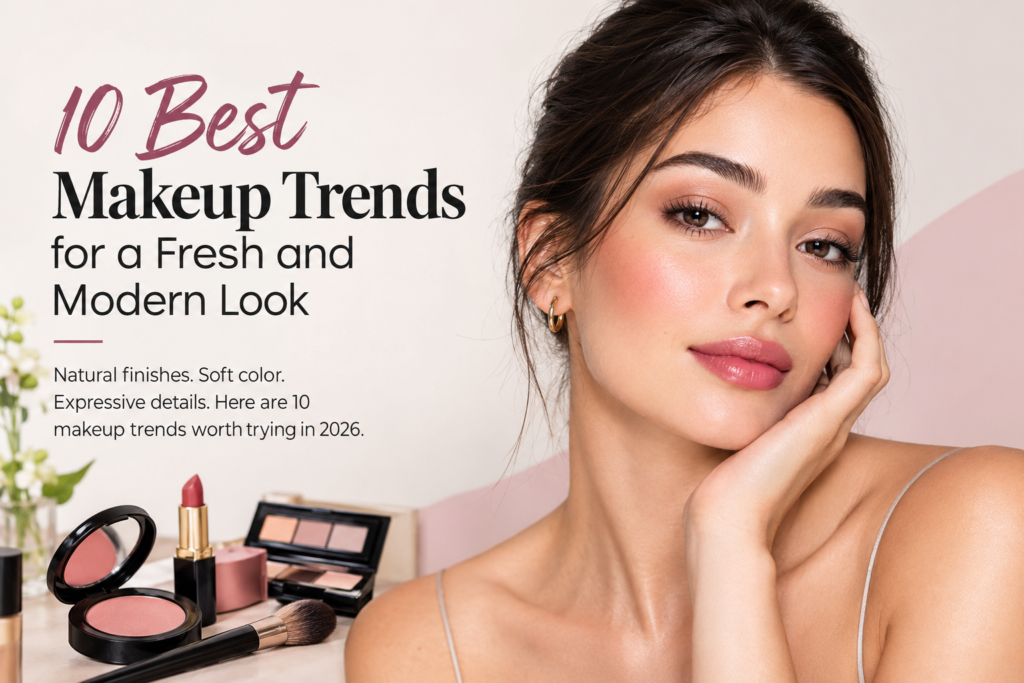
Fresh, modern makeup is no longer about achieving a perfectly sculpted face or covering every imperfection. The most interesting beauty looks of 2026 balance natural-looking skin with thoughtful color, softer edges, and occasional moments of bold expression. A sheer complexion paired with berry lips can feel just as current as a luminous base with vibrant eyeliner.
Beauty coverage from Vogue India, Allure, and Glamour points to a similar direction: makeup is becoming more personal, with skin-focused finishes, expressive blush, diffused lip color, and creative eye makeup all finding their place.
But which trends are actually worth trying, especially if you want a look that works beyond social media photographs?
This guide selects the 10 best makeup trends for a fresh and modern look based on four practical criteria: everyday wearability, versatility across occasions, ease of application, and opportunities for personal expression. The ranking is an editorial guide, not an objective measurement of popularity or performance.
From barely-there complexion products to statement-making eyes, each trend offers a different way to update your makeup routine without buying an entirely new collection.
The 10 Best Makeup Trends to Try in 2026
1. Skinimalism: Natural-Looking Skin With Lightweight Coverage

Skinimalism combines skincare-conscious preparation with minimal, targeted makeup. Instead of layering heavy foundation, concealer, contour, and powder across the entire face, the technique allows natural skin texture to remain visible while evening out areas that need extra coverage.
It is one of the most versatile choices for a fresh, modern look because it works for everyday routines, office makeup, casual outings, and daytime events.
How to achieve the look: Start with moisturizer and broad-spectrum sunscreen during the day. Apply a skin tint or sheer foundation where needed, then use a small amount of concealer on specific areas. Finish with cream blush and a light dusting of powder only where shine needs controlling.
The aim is not necessarily flawless skin. It is a balanced complexion that looks natural in person as well as in photographs.
Best for: Beginners, minimalists, busy professionals, and anyone who prefers lightweight coverage.
What to consider: Sheer formulas provide less coverage for pronounced discoloration or blemishes. You can build coverage selectively without abandoning the look. If you have oily skin or live in a hot, humid climate, a lightweight, long-wearing base and strategic powder may be more practical than an entirely dewy finish.
Skinimalism is the strongest starting point for anyone who wants a modern makeup routine without a complicated application process. The American Academy of Dermatology also recommends choosing skincare and makeup products suited to your skin type.
2. Soft-Focus Satin Skin: The Balance Between Matte and Dewy

For years, makeup enthusiasts often treated matte and dewy finishes as opposite choices. The soft-focus satin trend offers a middle ground: skin looks smooth and softly radiant without appearing either completely flat or excessively shiny.
The technique relies on controlled luminosity. Light reflects gently from the high points of the face, while the forehead, sides of the nose, or other areas prone to excess oil can remain more subdued.
This finish has received attention in 2026 beauty trend coverage, particularly among artists discussing polished, wearable complexions.
How to achieve the look:
- Apply a thin layer of foundation with a satin or natural finish.
- Use concealer only where additional coverage is needed.
- Blend a subtle highlighter over the cheekbones rather than across the entire face.
- Press a small amount of translucent powder onto areas that become oily.
Best for: Workdays, professional photographs, dinner dates, and occasions when you want makeup that looks refined without being overly glossy.
What to consider: A satin finish depends partly on skin preparation and the products used together. Too much powder can make the complexion look dry, while excessive illuminating products can create unwanted shine.
Compared with skinimalism, which emphasizes using less makeup, satin skin focuses primarily on the final texture. You can use either technique independently or combine them.
3. Draped Blush: Color That Adds Dimension

Blush has become more than a finishing touch. Draped blush uses color placement to create dimension, drawing attention from the cheeks toward the temples instead of concentrating pigment only on the apples of the cheeks.
The technique has roots in earlier makeup artistry, but its current appeal comes from its ability to replace some of the visual sculpting traditionally associated with contour.
Rather than using a dark powder to create shadows, you use blush to introduce color and guide the eye along the cheekbones.
How to achieve the look: Apply a small amount of cream or liquid blush to the upper cheek area. Blend diagonally toward the temples, keeping the strongest concentration near the cheekbones. Add a little powder blush if you want greater intensity or a more durable finish.
Rose, peach, muted berry, and terracotta are useful starting points. Choose based on your preferred makeup palette and how much contrast you want.
Best for: Fresh daytime makeup, weddings, celebrations, and anyone who wants a more colorful alternative to heavy contouring.
What to consider: Blush placement can change the overall visual balance of a makeup look. A highly pigmented formula may become difficult to blend if applied too heavily at first, so build color gradually.
Draped blush differs from traditional contour because its primary effect comes from visible color rather than simulated shadow. It also differs from a simple cheek flush: placement is a deliberate part of the technique.
4. Blurred Lips: Soft Color With a Diffused Edge

Blurred lips offer a relaxed alternative to sharply outlined lipstick. The color is concentrated around the center of the lips and blended outward, creating a soft, diffused finish rather than a precisely drawn border.
The look is associated with Korean beauty techniques and has remained relevant as 2026 lip trends emphasize texture and softer definition.
It is particularly useful when you want your lips to look defined without making them the most dramatic feature of your face.
How to achieve the look:
- Apply a small amount of lip balm and blot away excess.
- Dab lipstick or lip tint onto the center of the lips.
- Blend outward with a clean fingertip or lip brush.
- Add a little gloss if you prefer a hydrated finish.
Muted rose, soft red, berry, and brown-pink shades can all work. A deeper center creates a more noticeable gradient, while an evenly blended tint produces a subtler effect.
Best for: Everyday makeup, casual dates, minimalist beauty routines, and people who prefer low-definition lip color.
What to consider: Sheer lip tints may require reapplication, especially after eating or drinking. If you want a more defined shape, use a lip liner close to your natural lip color and soften its edges before applying lipstick.
Blurred lips differ from traditional matte lipstick mainly in their finish and application. They are also generally less structured than a sharply lined lip, making them easy to pair with expressive blush or soft eye makeup.
5. Monochromatic Makeup: One Color Story Across the Face

Monochromatic makeup creates a coordinated look by using related shades on the eyes, cheeks, and lips. Rather than matching every product exactly, the technique connects the features through a shared color family.
For example, dusty rose eyeshadow, pink-mauve blush, and a muted berry lip can create a cohesive look without appearing overly coordinated.
The advantage is practical as well as aesthetic: you can create a complete makeup look with fewer color decisions.
How to achieve the look: Choose a color family first. Warm terracotta and peach tones create a sun-kissed effect, while mauve and rose shades offer a cooler, softer finish. Apply the colors in different intensities so each feature retains definition.
A cream lip-and-cheek product can simplify the process, although eye products should only be used around the eyes when they are specifically intended for that area.
Best for: Beginners, travel, quick morning routines, and anyone who prefers coordinated makeup.
What to consider: A single shade will not necessarily flatter every feature equally. Adjust the depth and saturation of each product rather than using identical colors everywhere.
Unlike skinimalism, which prioritizes minimal coverage, monochromatic makeup is a color-coordination technique. It can work equally well with sheer everyday makeup or a more polished evening look.
6. Feathered Brows: Natural Definition Without Harsh Lines

Feathered brows emphasize the natural direction of eyebrow hairs. Instead of creating a sharply outlined, heavily filled shape, the technique uses light strokes and flexible brow products to maintain visible texture.
The result can make a makeup look feel less rigid, especially when paired with satin skin, soft blush, or blurred lips.
How to achieve the look: Brush the brow hairs upward and slightly outward using a clean spoolie. Fill obvious gaps with a fine pencil using short, hair-like strokes. Finish with a clear or tinted brow gel to hold the hairs in place.
The key is restraint. You want to enhance the existing brow shape, not draw an entirely new one.
Best for: Everyday makeup, natural beauty looks, and anyone who prefers softer facial definition.
What to consider: Sparse brows may need more filling than naturally full brows. Very strong hold products can also leave hairs stiff or create visible residue if overapplied.
Feathered brows differ from sharply sculpted brows in their finish, not necessarily their shape. You can maintain a defined arch while keeping the individual hairs visible.
This trend is worth trying if your makeup sometimes looks too structured and you want to soften the overall effect without changing your foundation, blush, or lipstick.
7. Soft-Smudge Eyeliner: Definition Without Perfectly Sharp Lines

Soft-smudge eyeliner replaces the precision of a crisp graphic line with a blended, slightly diffused edge. It defines the eyes while creating a more relaxed finish than a sharply drawn cat eye.
Brown, charcoal, and deep plum are especially versatile choices. Brown creates a softer daytime effect, while charcoal or black can provide greater contrast for evening makeup.
How to achieve the look: Draw a thin line close to the upper lashes using an eyeliner pencil designed for the eye area. Gently diffuse the edge with a clean smudging brush before the product sets. Keep the lower lash line subtle if you want the eyes to remain open and fresh-looking.
You can add mascara for definition or keep the lashes relatively natural to make the liner the focus.
Best for: Everyday wear, dinner outings, evening events, and people who find sharp winged eyeliner difficult to apply evenly.
What to consider: Some pencils smudge more readily than others, so a blendable formula that sets after application may offer a better balance between softness and staying power.
Unlike graphic eyeliner, which depends on clean geometric edges, soft-smudge eyeliner depends on blending. It is also distinct from a full smoky eye because it generally uses less eyeshadow and concentrates the effect near the lashes.
For eye safety, use only products intended for the eye area, keep applicators clean, and avoid sharing eye cosmetics. The U.S. Food and Drug Administration provides specific guidance on safe eye makeup use.
8. Cool-Toned Makeup: Modern Mauves, Taupes, and Soft Silvers

Cool-toned makeup brings together shades with pink, blue, gray, or muted violet undertones. Think taupe eyeshadow, mauve lipstick, cool brown eyeliner, and restrained silver shimmer.
After extended interest in warm bronzers and caramel-toned makeup, cooler palettes have returned to beauty conversations in 2026, often with updated textures and softer application.
This trend is particularly useful if you want an alternative to the familiar combination of golden eyeshadow, peach blush, and warm nude lipstick.
How to achieve the look: Apply a taupe or muted mauve shade across the eyelid. Add cool brown liner for definition and finish with a rose-mauve lip. For evening wear, introduce a small amount of silver or pewter shimmer.
You do not need to use every shade at once. A single cool-toned element can refresh an otherwise familiar makeup routine.
Best for: Evening makeup, minimalist looks with a little edge, and people who enjoy muted or slightly nostalgic color palettes.
What to consider: Undertones are a useful guide, not a strict rule. Skin tone, personal preference, lighting, and the intensity of a product all affect the final appearance. Test shades in natural light when possible.
Compared with warm neutral makeup, cool-toned looks can feel more understated, smoky, or editorial. They are especially effective when the rest of the face is kept relatively simple.
9. Statement Eyes: A Controlled Pop of Color

Statement eye makeup gives color a more prominent role. Instead of using only neutral browns and beiges, you introduce a vivid eyeliner, jewel-toned eyeshadow, or metallic accent.
The 2026 beauty conversation includes renewed interest in expressive color and more playful eye makeup.
The easiest way to wear this trend is to choose one focal point rather than combining several bold elements.
How to achieve the look: Start with a neutral base and apply a narrow line of cobalt blue, emerald green, violet, or another shade you enjoy. Alternatively, blend a small amount of colorful eyeshadow across the lid and keep the edges soft.
Pair the eyes with natural-looking skin and a muted lip to create balance. For an evening event, you can increase the intensity or add a metallic finish.
Best for: Parties, festivals, creative workplaces, special occasions, and anyone who wants to experiment with makeup without changing their entire routine.
What to consider: Highly pigmented products may stain or require a dedicated remover. Choose eye-safe formulas and check the product label before using colorful pigments near the eyes.
Compared with soft-smudge eyeliner, statement eyes are about color impact rather than simply defining the lash line. They are also the most expressive option on this list, although a narrow colored line can be surprisingly wearable.
10. The Statement Lip: One Bold Feature, Minimal Effort
A statement lip is one of the quickest ways to make a makeup look feel deliberate. Rich berry, brick red, classic red, and deeper brown-red shades can create a focal point without requiring elaborate eye makeup or heavy contour.
In its modern form, the statement lip does not have to be perfectly matte or sharply outlined. You can choose a satin finish, a glossy texture, or softly diffused edges depending on the occasion. Deep berry and more expressive lip colors are also part of the 2026 trend conversation.
How to achieve the look: Prepare the lips with a small amount of balm, then apply your chosen lipstick. Use a lip brush for a more precise outline or blot the edges for a softer finish. Keep the complexion relatively light and the eye makeup simple if you want the lip color to remain the main feature.
Best for: Dinner dates, formal events, celebrations, and days when you want a polished look without spending much time on your eyes.
What to consider: Bold lipstick can transfer, fade unevenly, or emphasize dry patches. Prep the lips beforehand and carry the product for touch-ups if longevity matters.
Unlike blurred lips, which prioritize a diffused appearance, the statement lip prioritizes color impact. You can combine the two techniques by choosing a saturated shade and blending its edges.
Quick Comparison: Which Makeup Trend Should You Try?
| Makeup trend | Best for | Main advantage | Main consideration |
|---|---|---|---|
| Skinimalism | Everyday wear | Lightweight, adaptable coverage | Less concealment |
| Satin skin | Work and events | Balanced, refined finish | Requires thoughtful powder placement |
| Draped blush | Fresh, lifted-looking color | Adds dimension without heavy contour | Easy to overapply |
| Blurred lips | Casual, soft makeup | Relaxed lip definition | May need touch-ups |
| Monochromatic makeup | Quick routines | Cohesive color story | Shades need adjusting |
| Feathered brows | Natural definition | Visible hair texture | May need extra filling |
| Soft-smudge eyeliner | Day-to-night looks | Soft eye definition | Can migrate or fade |
| Cool-toned makeup | Muted, editorial looks | A fresh alternative to warm neutrals | Shade preference varies |
| Statement eyes | Creative occasions | Expressive color | Requires eye-safe products |
| Statement lip | Effortless polish | Strong impact with few products | Color may transfer |
How to Choose the Right Makeup Trend for Your Needs
The most useful trend is the one that suits your routine, preferred finish, and comfort level. You do not need to adopt all 10 looks to create modern makeup.
Consider these five factors before choosing where to start.
1. Your everyday schedule
If you have only a few minutes to get ready, skinimalism, monochromatic makeup, or a statement lip can be practical starting points. If you enjoy experimenting, statement eyes or cool-toned makeup provide more room for creativity.
2. Your preferred finish
Decide whether you like visible skin texture, a satin complexion, soft color, or more dramatic definition. This will help you narrow the choices before purchasing new products.
3. Your skin’s needs
Choose products based on your skin type and how they feel after several hours of wear. For dry skin, moisturizing preparation may improve comfort. For oily skin, a lightweight base and targeted powder may work better. If a product causes irritation, stop using it.
During daytime routines, apply sunscreen before makeup. The American Academy of Dermatology recommends broad-spectrum, water-resistant sunscreen with SPF 30 or higher. Makeup with SPF should not automatically replace a properly applied sunscreen.
4. Your existing makeup collection
Look at what you already own before shopping. A neutral eyeshadow palette can support soft-smudge eyeliner, cool-toned looks, and monochromatic makeup. One versatile blush can be applied at different intensities for a simple cheek flush or a more sculpted effect.
5. The occasion and environment
Lightweight coverage and muted colors often suit everyday settings, while statement eyes and bold lips can work well for evening events. In hot or humid conditions, consider how quickly products crease, fade, or become shiny. Test the combination rather than relying solely on claims such as “long-wearing.”
Frequently Asked Questions
1. What are the best makeup trends for a fresh and modern look in 2026?
Skinimalism, satin skin, draped blush, blurred lips, and statement eyes are among the most useful trends to explore. They cover different preferences, from understated everyday makeup to expressive color. The best choice depends on the finish and level of definition you enjoy.
2. Which makeup trend is best for beginners?
Skinimalism is an excellent starting point because it relies on a small number of products and does not require advanced blending techniques. A skin tint, concealer, blush, and lip color can create a complete look without a complicated routine.
3. How can I make my makeup look fresh without using foundation?
Use your preferred skincare products, apply sunscreen during the day, and add concealer only where you want extra coverage. Blush, groomed brows, mascara, or a tinted lip product can provide definition without requiring a full foundation base.
4. Which makeup trends work well for everyday wear?
Skinimalism, feathered brows, monochromatic makeup, blurred lips, and soft-smudge eyeliner are particularly adaptable. You can keep the application subtle for work or daytime activities and increase the intensity for an evening occasion.
5. Are matte makeup looks still fashionable?
Yes. Matte makeup remains a valid choice, particularly for people who prefer a shine-controlled finish. Modern satin and soft-focus looks offer alternatives, but there is no need to abandon matte products if they suit your skin and personal style.
6. How do I make makeup last longer in hot or humid weather?
Start with skincare that suits your skin, allow products to settle before applying makeup, and use thin layers of complexion products. Set areas prone to excess shine with powder and consider a setting spray if it works well with your products. Reapply sunscreen according to its label and do not rely on makeup alone for sun protection.
7. Do I need to buy new products to follow makeup trends?
No. Most of these trends are techniques rather than specific products. You can experiment with blush placement, blend your existing lipstick for a blurred effect, or use a neutral eyeshadow as a soft liner. Buy something new only when your current collection cannot achieve the finish you want.
8. How can I keep makeup safe for my skin and eyes?
Read product labels, wash your hands before application, keep containers clean, and avoid sharing cosmetics. Use only products intended for the eye area, and discontinue anything that causes irritation. Replace products according to their instructions and discard cosmetics that change in smell, color, or consistency.
Final Thoughts
The 10 best makeup trends for a fresh and modern look offer different ways to balance simplicity, color, and personal expression. Skinimalism and satin skin are practical choices for a natural-looking complexion, while draped blush and monochromatic makeup add dimension without demanding a complicated routine. Blurred lips, feathered brows, and soft-smudge eyeliner bring softer definition, whereas cool-toned makeup, statement eyes, and bold lipstick create more expressive options.
Start with one technique that addresses something you want to change about your current routine. Experiment with placement, finish, and intensity before buying additional products. Modern makeup is less about following every trend than understanding which techniques help you achieve the look you actually enjoy.